
Beverly Hills Neighbor Records Around One Address
A Beverly Hills neighbor lookup begins with a subject address and the parcels that touch it. The county or city map can show shapes, addresses, and APNs. Assessor cards add parcel facts and event history. Permits can show work at an adjacent address. Historical directories can show listed households for a known year. Community programs can offer a way to join or send a message, but they do not create public household rosters.
| Source | What It Shows About a Block | Access |
|---|---|---|
| City and county parcel maps | Parcel shapes, APNs, addresses, adjoining geography | Free jurisdiction-specific viewers |
| Assessor cards | Physical, building, value, and event differences | Free online; ownership counter route |
| City permits | Work timing and address-keyed project history | CitySmart and public-records request |
| Voter status | Requester’s own registration information | Self-check, not block browse |
| Neighborhood Watch and civic groups | Voluntary contact pathways and community geography | Join or contact; no roster presumption |
| Historic directories | Listed households and unit turnover in an edition | Library, LOC, or licensed collection |
The official evidence is strongest for land and public projects. It is weaker for who is present today. A deed owner can have a separate mailing address. A permit applicant can be a professional. A directory can miss a household. A block captain’s contacts are maintained for program use. Label each neighbor clue by source and date.
Click Adjacent Beverly Hills Parcels
The adjacent-parcel method starts with CitySmart or the county parcel map. Locate the known address, select its polygon, then pan and click each touching parcel. Copy the APN and situs for every parcel before opening the next card. The map gives geographic neighbors, not a list of everyone in each household.
- Locate the address in Beverly Hills Interactive Maps or the Los Angeles County parcel map.
- Click or pan to the touching polygons and copy each APN and physical address.
- Open the Assessor card for parcel, building, value, event, and assessment fields.
- Keep the owner, tax mailing address, and occupant questions separate.
- Switch to the street directory workflow when the goal becomes a whole named street.
The Beverly Hills street directory handles the longer address chain. Neighbor research stays focused on the immediate block and its contact layers.
Beverly Hills Neighbor Map Layers
CitySmart and Beverly Hills GIS provide parcel and city-boundary context. The public ArcGIS service includes parcels, code violations by type, code violations by status, and the city boundary. Metadata says it migrated to its current REST host on April 24, 2025. Use the layer to understand place and category, not to claim access to protected case narratives or private contacts.
Addresses north of the incorporated city may carry a Beverly Hills postal label while belonging to Los Angeles County or Los Angeles City jurisdiction. Check the boundary before asking a city office about a neighboring parcel. The map itself does not settle ownership or occupancy.
The Beverly Hills Interactive Maps gateway provides the city map choices.
Beverly Hills Neighbor Permits Across a Block
Permits make a block legible over time. Beverly Hills holdings reach to 1918 for building permits, late 1950s for certificates of occupancy, the 1950s for geological and soils reports, and 1987 for electrical, mechanical, and plumbing files. CitySmart’s public construction catalog begins in 1989 and planning applications in 2000.
Compare permit dates and types across adjacent addresses to see when buildings changed, units were added, or a project reached inspection. The named applicant, contractor, architect, owner of record, and household occupant can be different. Plan sheets require written permission under Health and Safety Code §19851, even when ordinary permit history can be requested.
Use a precise address, APN, permit number, date range, department, and record type in a city request. “Not online” is not the same as “not held.”
Beverly Hills Neighborhood Watch Contacts
Beverly Hills Neighborhood Watch is a voluntary community program. Residents form a planning group, choose a coordinator and Block Captain, use a group chat, and can request police attendance. Block Captains maintain participating residents’ contact information for program purposes. That contact layer is not a public Beverly Hills neighbors directory.
Contact a program through its official page or join through the city process. Do not infer that a household is enrolled because a block has a captain, and do not ask a captain to publish private contact details. The program works because participation stays bounded.
The Beverly Hills Neighborhood Watch page explains the Block Captain process.
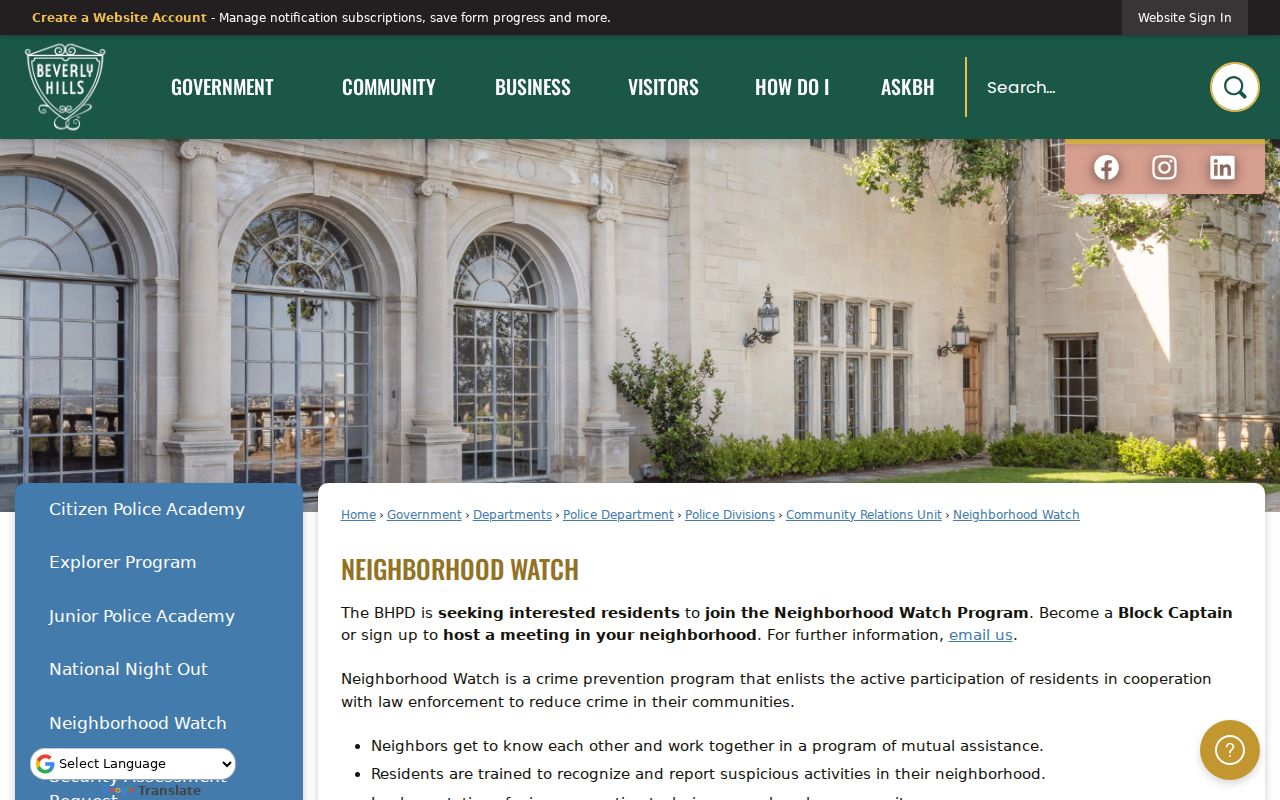
A public program page can show how to participate without exposing participating neighbors.
Beverly Hills Neighbors in Emergency Zones
Just in Case BH divides the city into nine emergency zones, BHL 101 through 901, with address-to-zone lookup, meeting maps, and first-aid points. These zones answer a geography and preparedness question. They do not list names. A zone can help a resident find a meeting point or understand which program contact serves an area without turning the map into a resident directory.
The city’s community-group pages also point to heritage, historical, youth, and civic organizations. Their public contacts are useful for local reconnection and neighborhood context. Membership should never be presumed public simply because an organization has a web page.
The Just in Case BH zone maps show the emergency geography.
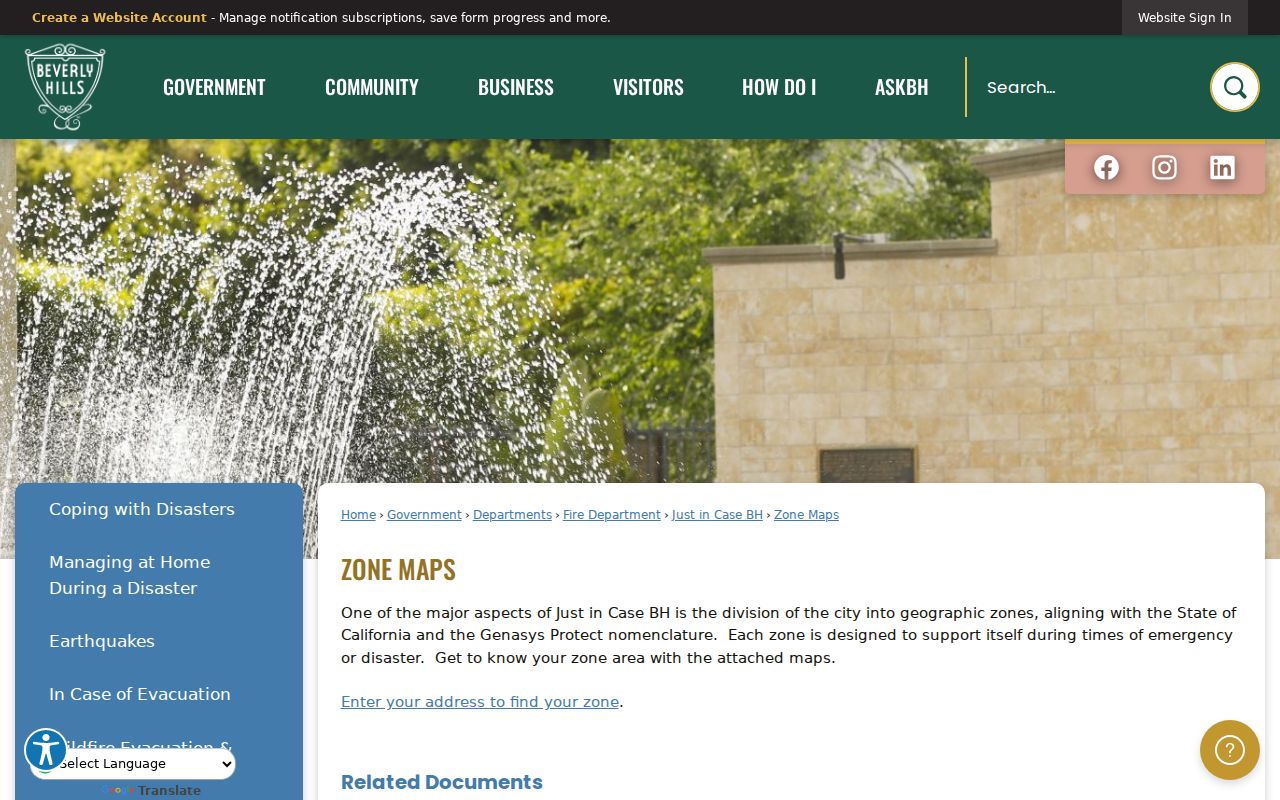
Community geography can be useful without disclosing a neighbor roster.
Beverly Hills Civic and History Contacts
Beverly Hills Heritage and the Beverly Hills Historical Society provide public contact paths for local history. The Historical Society, founded in 1984, holds photographs, documents, correspondence, clippings, scrapbooks, audio and video, books, trophies, and memorabilia, with scholar access by arrangement. Its thematic galleries include Famous Neighbors, People and Stories, Vanished Past, and Landmarks.
The Chamber’s public member directory can confirm a member business through categories, a search field, and ZIP browsing. It is a business contact resource, not proof of personal residence. The Academy’s Margaret Herrick Library is strong for film history and oral-history context, not a general household roll.
The Beverly Hills Historical Society collection description identifies the research contact layer.
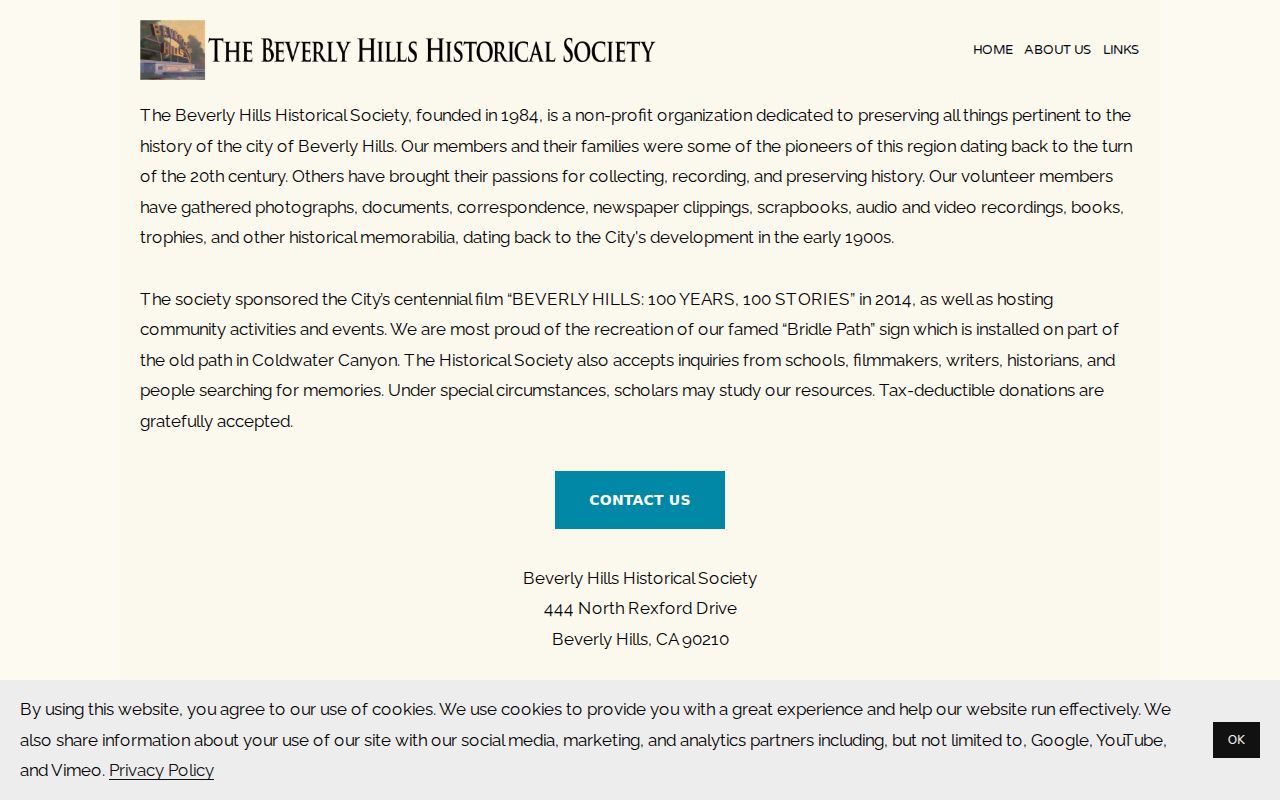
Historical contacts add place and story without exposing private member records.
The Beverly Hills community-groups page lists public civic and heritage contacts.
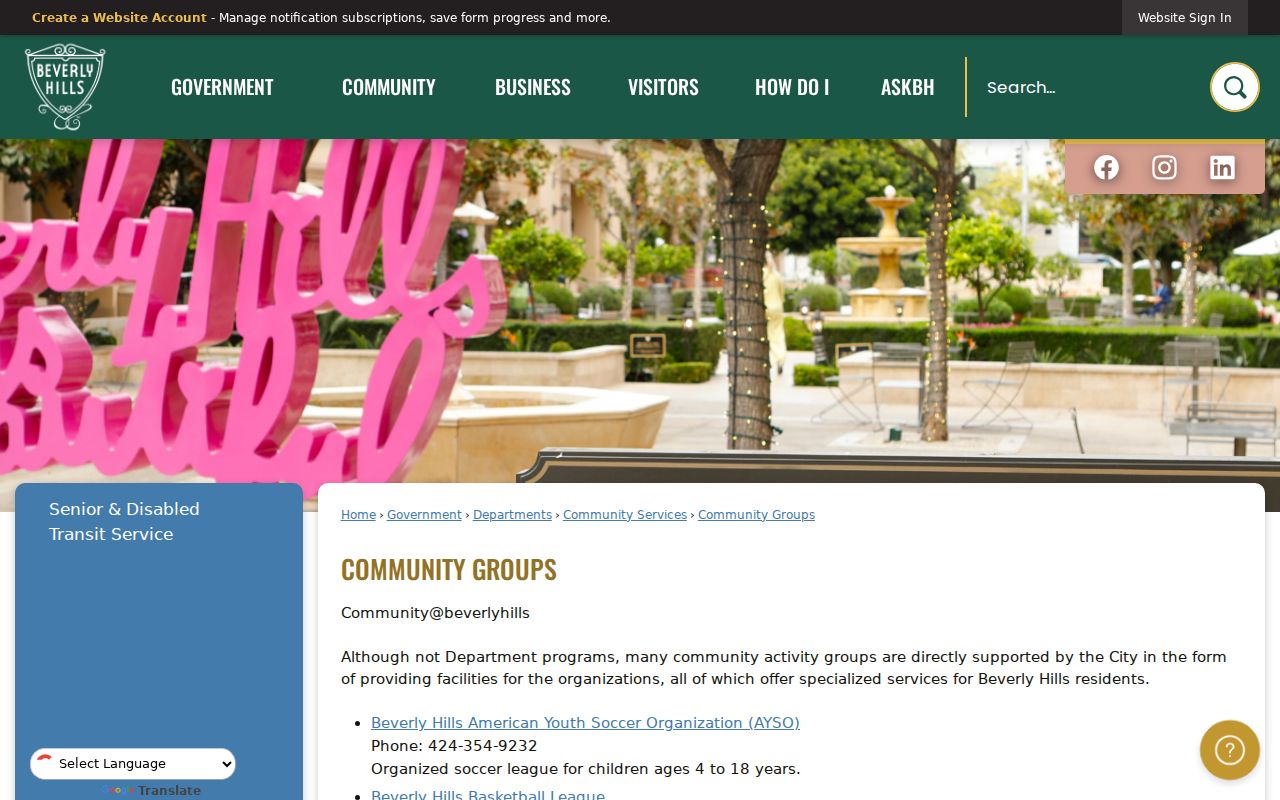
Public group contacts help with local context while membership remains a separate matter.
North Beverly Hills Homeowners Association appears in city public documents, but the research located no official citywide association directory or public member roster. The same caution applies to other civic or neighborhood labels: a name in a city document may show an organization’s public role, not every household that belongs to it. Use an association’s own contact path for a lawful message or meeting question.
The Beverly Hills Chamber member directory is useful for a business contact, not a private neighbor claim.
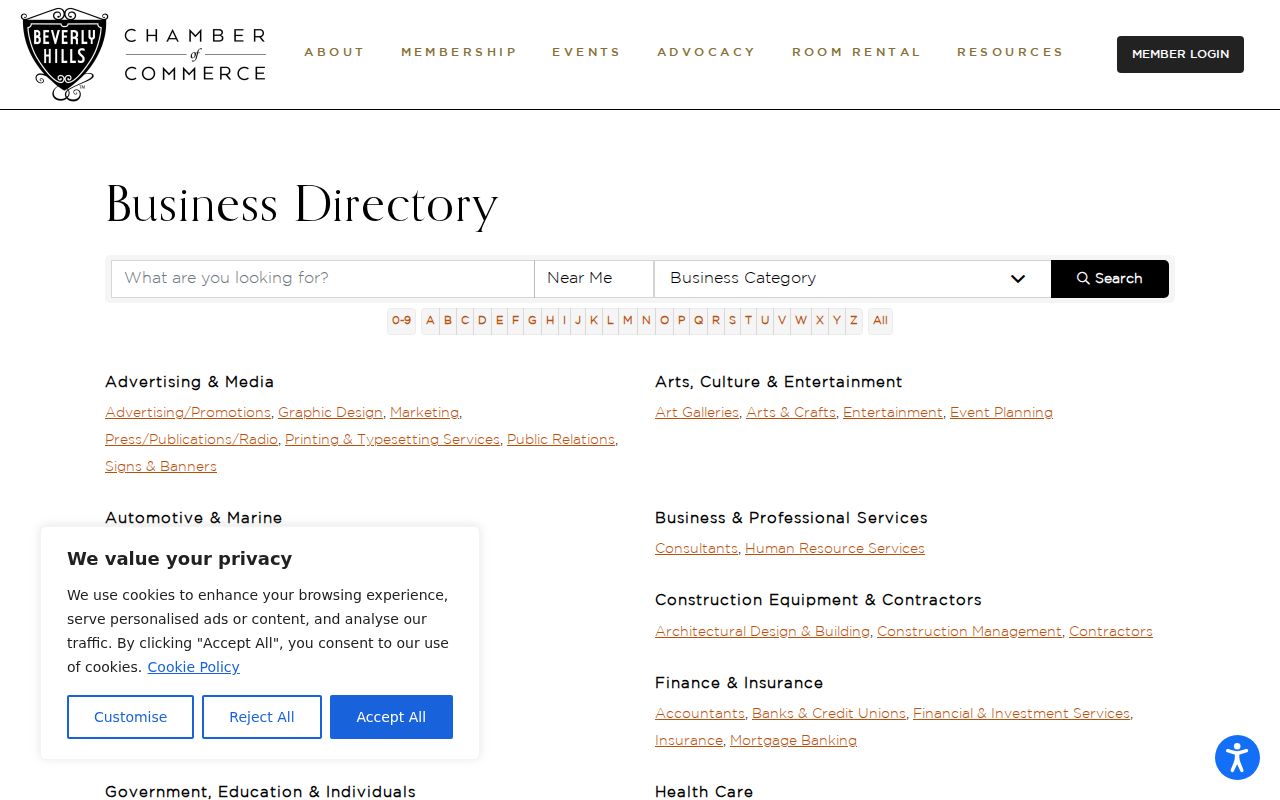
Its categories and ZIP field describe member businesses and their public contacts.
The Beverly Hills High School Alumni Association can relay a message to a former classmate without exposing a member list.
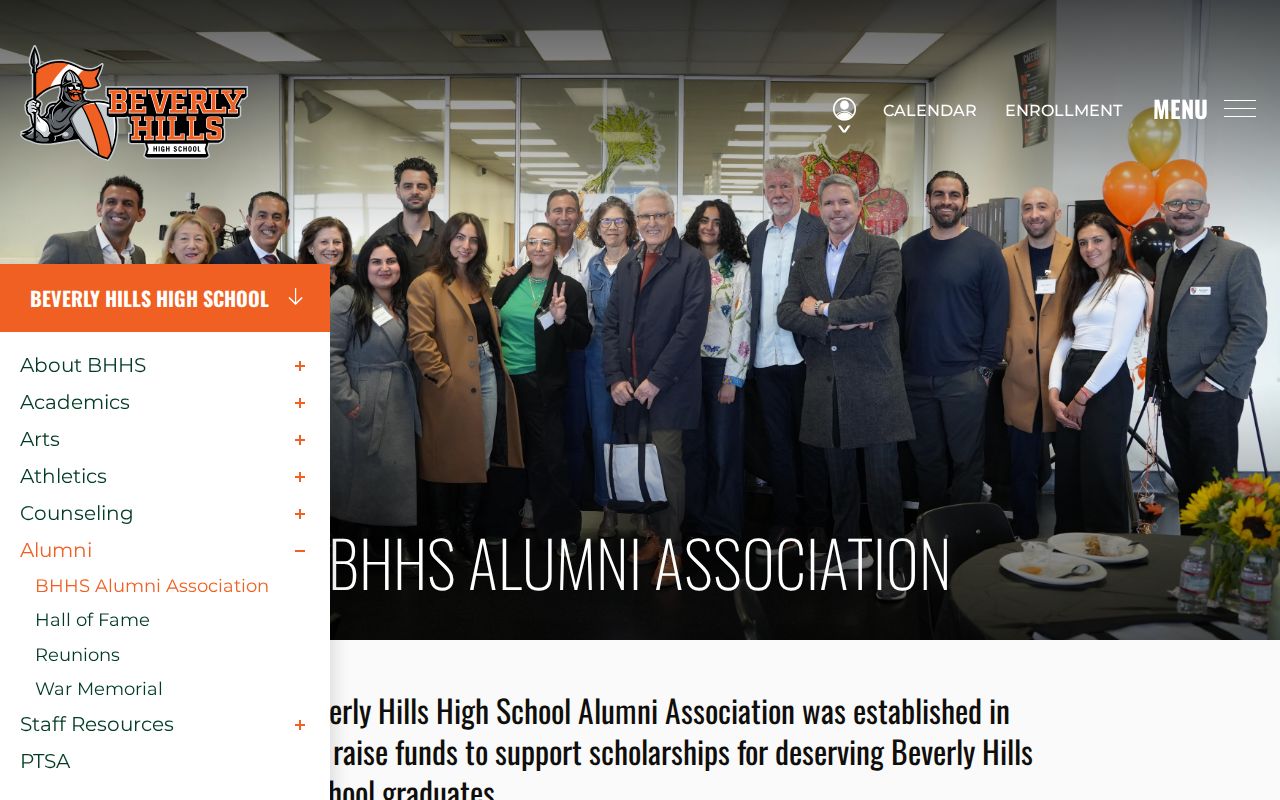
That privacy-preserving relay is a community contact path, not a block roster.
Beverly Hills Neighbor Tools Compared
Official records and commercial neighbor tools answer different kinds of questions. Official maps and parcel cards are tied to a jurisdiction and a defined record schema. Historical directories are dated and may omit households. Commercial tools compile public, licensed, and inferred data, which can be stale, merged, or wrongly attributed. Treat the category as a lead only, and verify important facts with the original custodian.
| Official parcel records | Defined land and assessment fields; owner identity is suppressed online. |
|---|---|
| City permits | Address-keyed work history; applicant is not automatically a resident. |
| Historical directories | Dated listed households and units; gaps and omissions remain. |
| Community programs | Voluntary contact paths; participating lists are not presumed public. |
| Commercial neighbor tools | Possible leads with uncertain freshness and attribution; verify at source. |
Privacy Limits on Beverly Hills Neighbors
A neighbor lookup cannot name every household member, leaseholder, visitor, utility customer, delivery recipient, or protected resident. The Driver’s Privacy Protection Act restricts DMV personal information. Elections Code §§2188 and 2194 limit voter-file uses and fields. Safe at Home provides a substitute mailing address for qualifying participants. Sealed court, juvenile, adoption, medical, victim, and protected-address records have separate restrictions.
California Penal Code §646.9 addresses stalking, while other provisions reach electronic impersonation and publication intended to cause unwanted contact. Public access to a map or parcel card never authorizes surveillance or intimidation.
Lawful use. Beverly Hills neighbors research supports getting to know a block, lawful reconnection, civic awareness, and personal safety planning. Do not use a record to watch, contact, threaten, stalk, or harass another person.
When the person remains uncertain or protected, stop. A respectful no-match is the correct result.
The safest neighbor record is often a public office or program contact rather than a private name. Use a map to understand the block, a custodian to verify a record, and a community organization to relay a message when it offers that service.
Keep a Beverly Hills block worksheet limited to the address, APN, map date, public source, and question being answered. A parcel adjacency result can be checked again when a boundary or address changes. A directory entry should carry its edition year. A Neighborhood Watch or alumni contact should be treated as a relay option only when the organization offers one. These labels prevent a public contact, a business listing, and a historical household entry from being presented as one current neighbor identity.
When a block question begins with safety or civic planning, the official zone map and program contact are usually the right endpoint. When it begins with property history, use the parcel and permit trail. When it begins with reconnection, ask a public organization to relay a message instead of requesting a private roster.